


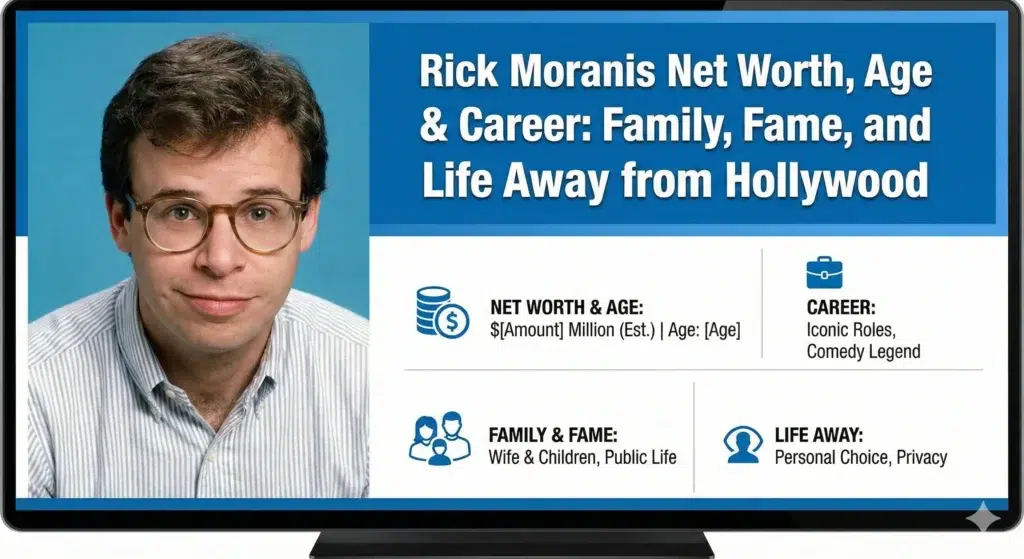
Rick Moranis. The name conjures up a very specific kind of nostalgia, a wave of warm memories tied to some of the most beloved and enduring comedies of the 1980s and 90s. From the bespectacled, perpetually flustered Louis Tully in Ghostbusters to the incredibly endearing, yet hapless, inventor Wayne Szalinski in Honey, I Shrunk the Kids, Moranis was a comedic fixture. He was the master of the “nice guy in over his head” persona, effortlessly blending dry wit with a surprising amount of physical comedy.
Then, at the height of his career, he simply… stepped back.
This calculated withdrawal from the Hollywood spotlight in the mid-1990s is perhaps as famous as his roles themselves, leading to decades of speculation, rumors, and sincere hope from fans that he would one day return. This decision fundamentally shaped his life, his career trajectory, and, consequently, his financial portfolio.
The central question that many fans and financial observers ask is: What is Rick Moranis’ net worth today, and how did a celebrated actor walk away from a blockbuster career while maintaining financial stability? This long-form exploration dives deep into the entirety of Moranis’s life and career—his humble comedic beginnings, the peak of his film career, the tragic personal event that caused his departure, and the incredibly deliberate, fulfilling life he built away from the pressures of Tinseltown. We will analyze the sources of his wealth, his age, his successful career pivot, and the profound reasons behind his choice to prioritize family over fame.
The Comedic Foundations: Moranis’s Early Career and Rise to Fame
Born in Toronto, Canada, on April 18, 1953, Rick Moranis’ age today places him in his early seventies, a time when many of his contemporaries are still actively seeking roles. But to understand his financial standing, we must first appreciate the quality and quantity of his early work, which set the stage for his considerable wealth.
Moranis’s comedic genius was first honed in the world of Canadian variety shows. He started as a radio disc jockey before finding his niche in sketch comedy. His big break came with the seminal Canadian sketch comedy series, Second City Television (SCTV), where he was a writer and performer. This platform introduced the world to his sharp comedic sensibilities and his incredible talent for creating unforgettable characters.
SCTV and the Birth of the McKenzie Brothers
While on SCTV, Moranis, alongside fellow comedian Dave Thomas, co-created Bob and Doug McKenzie, two flannel-clad, beer-swilling Canadian brothers. Their segments, an affectionate parody of Canadian culture, unexpectedly became a massive cultural phenomenon. This was more than just a sketch; it was a multi-platform success that generated significant revenue streams.
The McKenzie Brothers’ success included:
- A hit comedy album, Great White North: It was nominated for a Grammy and achieved platinum status, generating substantial royalty income.
- A feature film, Strange Brew (1983): This film brought Moranis his first major film paycheck and established him as a viable cinematic star.
This early success demonstrated Moranis’s ability to create commercially successful intellectual property (IP), a key factor in building long-term wealth in entertainment.
Hollywood Stardom: The Peak of Rick Moranis’s Movie Career
By the mid-1980s, Hollywood recognized Moranis’s unique talent, leading to a string of iconic, high-grossing films that form the bedrock of his estimated Rick Moranis net worth. His career wasn’t built on being a leading man in the conventional sense, but rather on being an indispensable, scene-stealing supporting actor and eventually a bankable family film lead.
Key Blockbuster Roles and Estimated Earnings
Moranis was a consistent presence in some of the most profitable films of the era. His participation in these films guaranteed him large upfront salaries, but perhaps more importantly, participation in the films’ backend profits and residual income, which continues to pay dividends decades later.
| Film Title | Release Year | Estimated Box Office (Worldwide) | Moranis’s Role Type | Relevance to Net Worth |
|---|---|---|---|---|
| Ghostbusters | 1984 | $295 million | Ensemble Lead/Iconic Character | Significant upfront fee and long-term residuals. |
| Little Shop of Horrors | 1986 | $39 million | Leading Role (Seymour Krelborn) | Showcased range, likely high upfront salary. |
| Spaceballs | 1987 | $38 million | Major Antagonist (Dark Helmet) | Guaranteed strong salary from Mel Brooks’ production. |
| Ghostbusters II | 1989 | $215 million | Ensemble Lead/Iconic Character | Substantially higher salary and better residuals than the first. |
| Parenthood | 1989 | $126 million | Ensemble Cast | Solidifies position as a bankable actor. |
| Honey, I Shrunk the Kids | 1989 | $222 million | Primary Lead (Wayne Szalinski) | Massive success led to franchise work and large profit share. |
The Honey, I Shrunk the Kids franchise, in particular, was a goldmine. As the central figure, Moranis commanded considerable salaries for the sequels, Honey, I Blew Up the Kid (1992) and Honey, We Shrunk Ourselves (1997). Securing favorable contracts for franchises is the fastest way for actors to accumulate significant long-term wealth, as they benefit from every subsequent release and re-release.
The Tragic Turn and the Departure from Hollywood
The year 1997 marks the last time Rick Moranis appeared in a major live-action Hollywood film (Honey, We Shrunk Ourselves). His decision to step away was not a creative choice or a result of flagging success; it was a profoundly personal and necessary act of love and devotion.
In 1991, Moranis tragically lost his wife, Ann Belsky, to breast cancer. They had two young children together, Rachel and Mitchell. Moranis found himself a single father in the grueling, demanding, and often distant world of major film production. The constant travel, long hours on set, and pressure to maintain A-list status were incompatible with his new, non-negotiable priority: raising his children.
Prioritizing Family: The Calculated Career Pivot
In numerous interviews over the years, Moranis has clearly articulated his decision, emphasizing that it wasn’t a “hiatus” or “retirement,” but rather a choice to focus on being a full-time, present father.”I took a break, which turned into a longer break, which turned into an even longer break,” Moranis once explained. “My wife passed away, and I pulled out of the business. I was a single parent. I just needed to be home.”
This personal choice is crucial to understanding his current financial profile. While he walked away from multi-million dollar film offers, he didn’t stop working entirely. He simply shifted his focus to projects that allowed him to work from home and on his own schedule, ensuring his income stream continued without sacrificing time with his kids.
Life After Film: New Revenue Streams and Maintaining Wealth
The common narrative is that Rick Moranis completely disappeared, but this is a misconception. He simply stopped doing live-action film, which is the most time-consuming and visibility-driven branch of the industry. He strategically pivoted his career to utilize his creative talents while maximizing time with his family.
Voice Acting and Animation
One of the most family-friendly and lucrative careers for a respected actor is voice work. Moranis continued to work consistently in animation, which required far less physical presence and travel.
- He provided the voice for several characters in animated projects, allowing him to work on his own schedule, often from local studios or even a home setup.
- He also lent his voice to the animated sequel Brother Bear (2003) and its subsequent direct-to-video follow-up, Brother Bear 2 (2006).
Voice acting allows actors to command high fees for a relatively minimal time commitment, making it an excellent way to maintain a high net worth without the burden of filming schedules.
Music and Comedy Albums
Moranis returned to his roots in comedy music, releasing several albums that blended humor, folk, and country music. These projects were personal passion projects that were independently successful and provided additional income:
- The Agoraphobic Cowboy (2005): A Grammy-nominated album.
- My Mother’s Brisket & Other Songs of the Holiday (2013): A collection of comedic songs with Jewish themes.
These creative endeavors allowed him to maintain his creative output and continue generating publishing and royalty income, demonstrating a clever and sustainable approach to an independent career.
Assessing Rick Moranis Net Worth: Calculating the Financial Picture
Estimates of Rick Moranis’ net worth vary, but based on his sustained success in the 80s and 90s, his lucrative franchise residuals, and his smart pivot to high-value, low-commitment work, most credible financial outlets place his total assets in a comfortable range.
As of late 2024, the general consensus is that Rick Moranis’s net worth is approximately $10–$14 million.
Primary Components of His Wealth
- Blockbuster Residuals: The films Ghostbusters and the Honey, I Shrunk the Kids franchise are continually rerun, streamed, and licensed globally. The residuals from these highly profitable, evergreen movies are a constant, passive income stream.
- Voice and Studio Fees: His continued voice-over work and appearances in passion projects provided strong, predictable income during the “time away.”
- Real Estate and Prudent Management: By earning high salaries early on and reportedly living a relatively modest life outside the Hollywood spotlight, Moranis was able to maintain his earnings and invest them wisely, avoiding the pitfalls of extravagant spending common in Tinseltown.
- Intellectual Property (IP) Ownership: Income derived from the McKenzie Brothers brand, including music and merchandise.
It is a testament to the quality and enduring popularity of his early work that he has been able to maintain a multi-million dollar fortune for over two decades without needing to actively seek out major film roles.
The Return: Cameos, Ghostbusters, and the Nostalgia Factor
In recent years, Moranis has made calculated, selective returns to the public eye, often driven by the desire to honor his legacy or support projects that truly matter to him. These occasional appearances are significant not just for his fans, but also financially, as they likely command very high appearance fees due to his elusive nature.
The Ghostbusters Re-Entry
Moranis declined a cameo in the 2016 all-female Ghostbusters reboot, citing a lack of interest in participating unless the role felt meaningful. However, he confirmed his involvement in the 2021 sequel, Ghostbusters: Afterlife, though ultimately his part was cut. Despite the non-appearance, the negotiation and public confirmation highlighted his status as a beloved icon whose presence alone adds significant marketing value.
The Honey, I Shrunk the Kids Revival
Perhaps the most significant professional re-emergence was the confirmation that he would star in Shrunk, a new Disney film that serves as a continuation of the Honey, I Shrunk the Kids franchise. The film is set to focus on his son (played by Josh Gad), with Moranis reprising his role as Wayne Szalinski.
For an actor who has been absent for so long, a return to a major Disney franchise would command an exceptional salary—likely millions of dollars—representing a substantial single-project boost to his overall net worth and solidifying the financial wisdom of his previous professional pause.
Rick Moranis: A Model of Success and Prioritization
The story of Rick Moranis is not merely one of comedic genius and financial success; it is a profound lesson in prioritizing life over livelihood. His decision to walk away from the height of fame to raise his children is an anomaly in Hollywood, yet it didn’t bankrupt him. Instead, it seems to have cemented his legacy and given him financial independence.
He leveraged his creative capital early on, ensuring that the work he did in the 80s and 90s would pay him indefinitely. This financial security allowed him the freedom to choose when, where, and how he worked for the following two decades.
For fans, the continued interest in Rick Moranis’ net worth, age, and career is a reflection of the enduring impact of his work and a deep respect for the man who chose a fulfilling personal life over the relentless pursuit of celebrity. He remains a cherished figure whose selective return to entertainment is always met with widespread excitement, proving that sometimes, scarcity truly does increase value, both personally and professionally.
Frequently Asked Questions about Rick Moranis
What is Rick Moranis doing now?
Rick Moranis is enjoying a semi-retired life focused on his creative passions, primarily through music and independent comedy albums. He selectively returns to acting projects that genuinely interest him and allow him flexibility. He has been confirmed to be involved in the Disney film Shrunk, reprising his role as Wayne Szalinski.
Why did Rick Moranis leave Hollywood?
Moranis left Hollywood in the mid-1990s following the tragic death of his wife, Ann Belsky, in 1991. He became a single father to two young children and decided that the demanding schedule of major film production was incompatible with his commitment to raising his family. He has consistently stated he chose to be a full-time, present father.
How much did Rick Moranis make from Ghostbusters?
While exact figures are never public, it is estimated that Moranis earned a significant sum for his role as Louis Tully in both Ghostbusters (1984) and Ghostbusters II (1989). Crucially, he receives substantial residuals (passive payments from reruns, streaming, and licensing) from these films, which continue to form a key part of his net worth today.
Is Rick Moranis going to be in the new Ghostbusters movie?
Rick Moranis was confirmed for Ghostbusters: Afterlife (2021) in the role of Louis Tully, but his scene was ultimately cut from the final film. He has consistently expressed that he would only return for roles that feel artistically meaningful to him and his character.