
CW Name: Angelica Raquinio
Business Name: Niagara Falls Dentistry
Topic/Angle: Chipped tooth treatment options and what to do before a dental visit
How to Fix a Chipped Tooth and Protect It Before Treatment
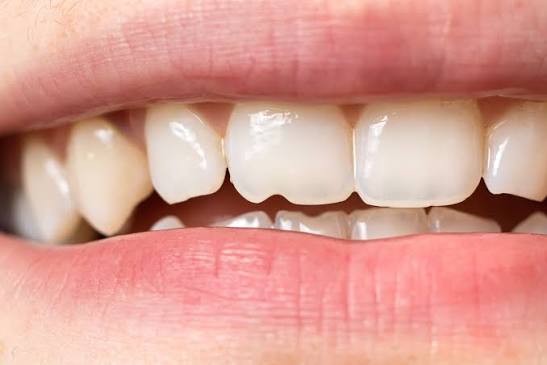
A tooth can chip while eating, during a fall, or while playing sports. Some chips are barely visible, while others leave a sharp edge or expose the sensitive layers beneath the enamel.
Learninghow to fix a chipped tooth starts with understanding the extent of the damage. The size and location of the chip guide which treatment a dentist recommends, and early care can help keep the chip from getting worse.
What Causes a Tooth to Chip?
Tooth enamel is strong, but it can still crack or break under sudden pressure. Biting down on ice, hard candy, or other hard foods is a frequent cause, as are falls and injuries during sports.
Habits also play a role. Grinding the teeth at night, chewing on fingernails, and using teeth to open packages can place repeated stress on the enamel. Teeth weakened by decay or large older fillings may chip more easily than healthy teeth.
How Can You Tell How Serious a Chip Is?
A small chip often causes no pain at all. Many people first notice it as a rough edge against the tongue or a small gap visible in the mirror.
Pain is a sign that the damage may go deeper. If hot or cold drinks cause a sharp twinge, or biting down feels uncomfortable, the inner layers of the tooth may be exposed. In these cases, a prompt dental exam is recommended, since a deeper break may allow bacteria to reach the nerve.
What Should You Do Before a Dental Visit?
A chipped tooth cannot be repaired at home, but a few temporary measures can keep the area comfortable until an appointment. These steps are meant to protect the tooth, not to replace professional treatment.
•Store any large broken piece in a small container of milk and bring it to the appointment
•Press a small piece of dental wax or sugarless gum over any jagged edge so the edge does not scrape soft tissue
•Hold a cold pack against the outside of the cheek if the area feels sore
•Favor soft meals and let the uninjured side of the mouth handle chewing
Gentle brushing and flossing should continue until the appointment. Over-the-counter pain relievers may help with discomfort when used according to the package directions.
Which Treatments Do Dentists Use for Chipped Teeth?
Treatment depends on whether the chip affects only the enamel or reaches deeper into the tooth. After examining the tooth, a dentist may recommend one of the following options.
Polishing and Smoothing
Small chips that affect only the enamel may need minor reshaping. The dentist smooths the rough edge so it blends with the surrounding tooth and no longer irritates the tongue.
Dental Bonding
In dental bonding, a dentist applies a resin that matches the tooth’s natural shade. The resin is sculpted to fill in the missing area, then cured with a special light.
If the original fragment was saved and is in good condition, a dentist may be able to reattach it with a similar bonding process.
Fillings and Onlays
Chips on back teeth are often repaired with a filling. When a larger portion of a molar’s chewing surface is missing, an onlay may be used instead. Onlays are usually made in a dental lab, although some dental offices can produce them on-site.
Dental Veneers
Veneers are thin, custom-made layers attached to the visible face of a tooth. They are typically considered for front teeth when bonding alone is not enough to restore the tooth’s shape. Placing one usually involves removing a thin layer of enamel.
Dental Crowns
A crown, sometimes called a cap, covers the entire visible portion of a tooth. Dentists may recommend one when a large piece has broken off or when the remaining tooth structure is weak.
Root Canal Treatment
When a break exposes the pulp, which contains the nerve and blood vessels, bacteria can enter and cause infection. Root canal treatment addresses this by clearing out the affected pulp, then cleaning and sealing the canals inside the tooth. Many teeth treated this way are later fitted with a crown for protection.
How Can You Lower the Risk of Future Chips?
Many chips are linked to everyday habits, so small changes can make a difference. A properly fitted mouthguard helps protect teeth during contact sports, and a night guard may be recommended for people who grind their teeth.
Using teeth only for chewing, rather than for opening packages or biting nails, reduces strain on the enamel. People with weakened teeth may benefit from limiting hard foods as well. Routine dental checkups can help identify worn fillings or other problems early.
Why Does the Depth of a Chip Matter?
The appropriate treatment depends on how deep the damage goes and where the chip is located. Polishing or bonding may be enough for a minor chip, while a crown or root canal may be needed when a break reaches the nerve.
Because a chip may appear minor on the surface yet affect the inner layers, an examination helps clarify how far the break extends. Prompt dental care, particularly when pain or sensitivity is present, can help limit the risk of infection and further damage.