
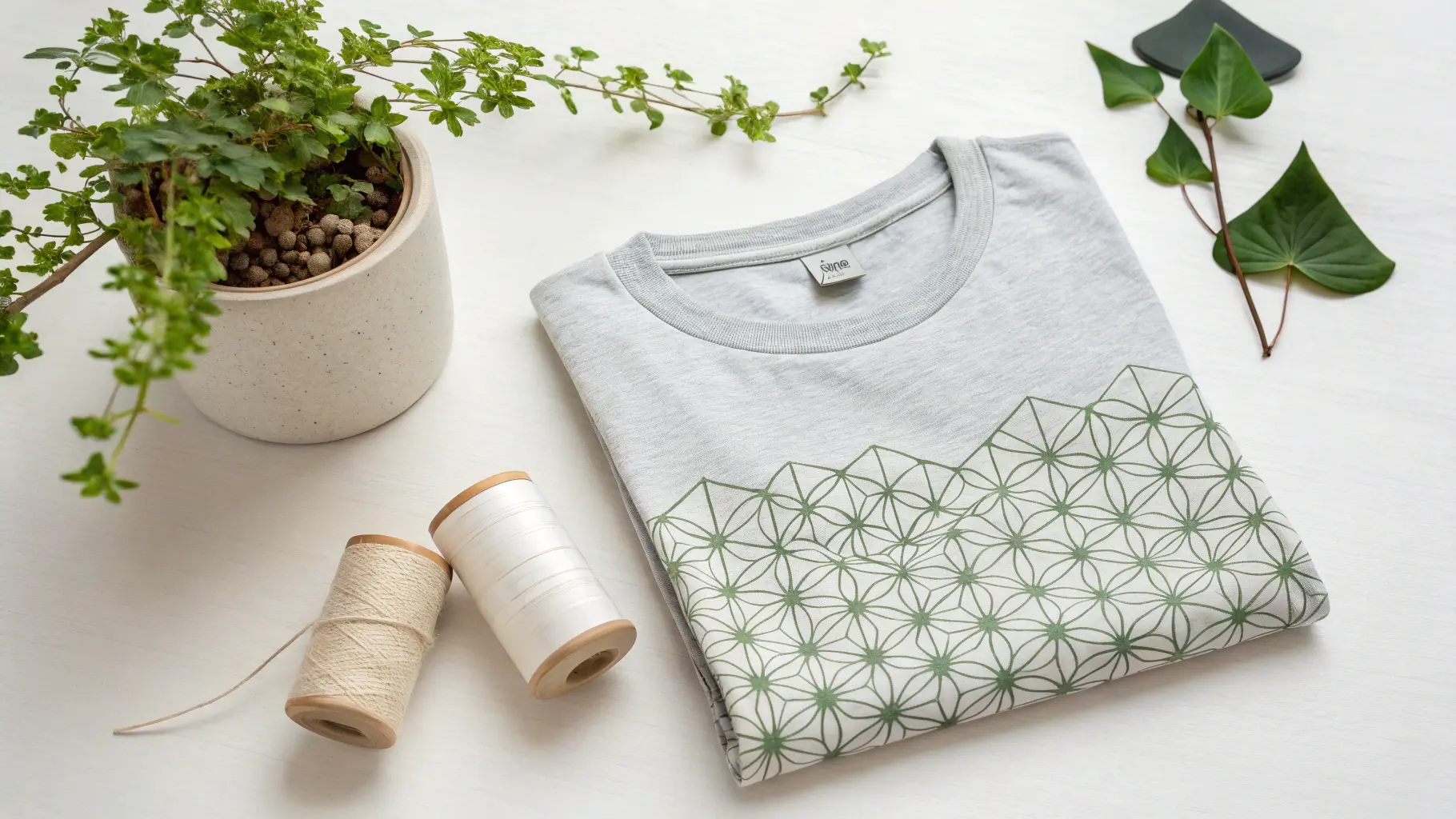
Walk into any mainstream clothing store today, and you’ll witness a paradox: more clothing options than ever before, yet most are designed to become obsolete at a breathtaking speed. This is the engine of fast fashion—a business model built on overproduction and disposable clothing, and it’s leaving a permanent stain on our planet.
The environmental statistics are as staggering as they are sobering. The fashion industry is responsible for generating about 92 million tonnes of textile waste each year . Even more telling, a 2023 report revealed that a shocking 30% of all garments produced never even reach a consumer . They are produced, often with vast amounts of water and energy, only to be discarded or incinerated as unsold inventory.
But a powerful counter-movement is growing. A new generation of consumers is rejecting the “more is more” mantra and embracing a more mindful approach to their wardrobe. This is the rise of zero-waste style—a philosophy that isn’t about sacrifice, but about smarter, more sustainable choices. And at the forefront of this revolution is a transformative business model: print-on-demand (POD).
For brands like PrimeHarvest, this isn’t just a trend; it’s our foundational principle. We believe you can express your unique style without costing the Earth.
The Heavy Price of a “Cheap” T-Shirt
To understand the solution, we must first confront the true cost of the problem. The traditional fashion system operates on a linear “take-make-waste” model. Brands must guess what will sell months in advance, leading to massive overproduction.
The consequences are a three-fold disaster:
- The Waste Mountain: Beyond the 92 million tonnes of waste, the industry sees up to 15% of fabric wasted during the cutting process alone in traditional manufacturing . This “pre-consumer” waste, combined with the “post-consumer” waste from poorly made garments, creates an endless stream of textile landfill.
- The Water Crisis: The fashion industry is one of the world’s largest consumers of water. The production of a single conventional cotton t-shirt requires approximately 2,700 liters of water . When clothes go unsold or are discarded after few uses, this water is effectively wasted.
- The Carbon Footprint: From energy-intensive manufacturing to global shipping of bulk goods, the fashion industry’s carbon emissions are colossal. The relentless churn of fast fashion has made the sector a significant contributor to global greenhouse gas emissions .
This is the hidden price of that inexpensive, trendy top. It’s a cost that our environment and communities can no longer afford.
Zero-Waste Style: A Manifesto for a Mindful Wardrobe
Zero-waste style is often misunderstood. It’s not about owning five items of clothing or wearing only beige. It’s a conscious shift in how we view our clothes:
- Quality Over Quantity: Choosing a few well-made, durable pieces that will last for years, rather than a closet full of disposable items.
- Personal Style Over Fleeting Trends: Building a wardrobe that reflects who you are, not just what an algorithm says is “in” this week.
- Circularity over Disposability: Supporting systems where materials are kept in use for as long as possible, and waste is designed out entirely.
This is where the philosophy of zero-waste meets the practical innovation of print-on-demand technology.
Print-on-Demand: The Engine of the Fashion Revolution
Print-on-demand is a production model that flips the traditional fashion system on its head. Instead of mass-producing thousands of units based on a forecast, items are created only after a customer places an order .
This “made-to-order” approach is the core of why POD is inherently sustainable and why it’s the future. Let’s break down how it works:
- You Design: A creator uploads a unique design to a POD platform.
- You Sell: A customer places an order on your store.
- We Produce: The order is sent to the POD facility, where the item is printed, prepared, and shipped specifically for that customer.
- You Grow: There is no upfront inventory, no warehousing costs, and crucially, no waste from unsold stock.
For a brand like PrimeHarvest, this model is non-negotiable. It allows us to offer you unique, high-quality apparel while making a firm commitment to the planet.
The Tangible Environmental Benefits of a Print-on-Demand Model
The advantages of POD extend far beyond just eliminating overproduction. The entire process is designed to be leaner and cleaner.
Table: The Environmental Impact – Fast Fashion vs. Print-on-Demand
Key Benefits in Detail:
- The End of Deadstock: The single biggest benefit is the eradication of pre-consumer waste. By producing only what has been sold, PrimeHarvest ensures that no garment is ever created just to end up in a landfill . This “zero inventory” model is a game-changer.
- Water Conservation: POD predominantly uses digital printing technologies, which can reduce water consumption by up to 95% compared to traditional textile dyeing and printing . This is a critical saving for a resource under strain.
- A Leaner Supply Chain: Many POD services use a network of fulfillment centers. By producing items closer to the customer, we can significantly cut down on the long-distance shipping required by traditional fashion, reducing the associated carbon emissions .
Meeting the Demand of the Conscious Consumer
This shift isn’t happening in a vacuum. It’s being driven by you, the consumer. Market research consistently shows a powerful trend towards conscious consumption:
- A significant majority of consumers now say they prefer to buy from brands that offer personalized products and experiences . POD is the ultimate personalization engine.
- Perhaps even more telling for sustainable brands, 80% of consumers are willing to spend more for sustainable products, with an average premium of 9.7% . Another study found that nearly half (49%) would overpay for sustainable POD items .
- Nearly 70% of Gen Z and millennials consider sustainability when making a purchasing decision . They are not just buying a product; they are buying into a set of values.
This is the future of commerce. Brands that are transparent, ethical, and sustainable are not just gaining customers; they are building communities.
PrimeHarvest: Your Partner in Sustainable Style
At PrimeHarvest, we’ve woven these principles into the very fabric of our brand. Our use of the print-on-demand model is our pledge to you:
- Your Style, Without the Guilt: Every item you order is made specifically for you. This means we never contribute to the mountains of waste created by traditional fashion overproduction.
- A Focus on Better Materials: We partner with suppliers who prioritize sustainable materials like organic cotton, recycled polyester, and water-based inks, further reducing our environmental footprint .
- Empowering Your Individuality: The print-on-demand model allows for incredible creativity and personalization. You can wear a design that is truly unique, knowing it was brought to life responsibly.
Building a Better Wardrobe, One Shirt at a Time
The journey toward a sustainable future is a shared one. It requires brands to be better and empowers consumers to choose better. Every purchase you make is a vote for the kind of world you want to live in.
When you choose a brand like PrimeHarvest, you are voting for:
- A system that doesn’t create trash as a byproduct.
- Authenticity and individuality over homogenized trends.
- Mindful consumption and respect for planetary boundaries.
The future of fashion isn’t a dystopia of drab, identical uniforms. It’s a vibrant, diverse, and beautiful landscape where style and sustainability exist in harmony. It’s a future where we can wear our values, not just on our sleeves, but in every thread.
The change starts with a single, thoughtful choice. Let’s make it together.